
 By gail
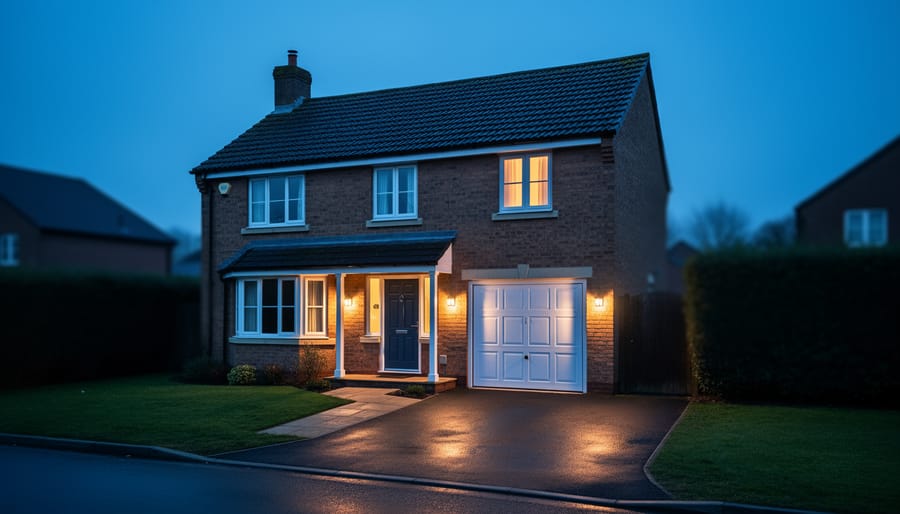
Keeping an empty inherited house heated and lit typically costs somewhere between £50 and £150 a month in a UK winter, and far less in summer. Those figures shift with the main variables: property size, insulation, heating type, local climate, and whether you keep the system running or shut it down. A small, well-insulated terrace held at a frost-protection minimum sits at the low end. A large, draughty detached house heated on a full schedule can push well past it. I haven’t pinned these to current tariffs, so check your supplier’s unit rates before budgeting.
Most of the spend goes on heating, not lighting. Standing charges also keep ticking over whether or not anyone lives there, which catches many executors out. The aim is rarely to heat the house at all. It’s to keep pipes from freezing, damp from taking hold, and the property looking occupied.
Smart choices make a real difference here. Exterior lighting, for example, doesn’t need mains power: solar LED fittings can cover security lighting around entrances and driveways with no running cost, an innovation that suits a property you’re not visiting daily. If the bills are part of a bigger decision, our advice on what to do with an inherited house can help you weigh keeping, letting, or selling.
This guide breaks down where the money goes, what moves the price, and when to switch things off.
What Heating and Lighting an Empty House Typically Costs by Climate and Size
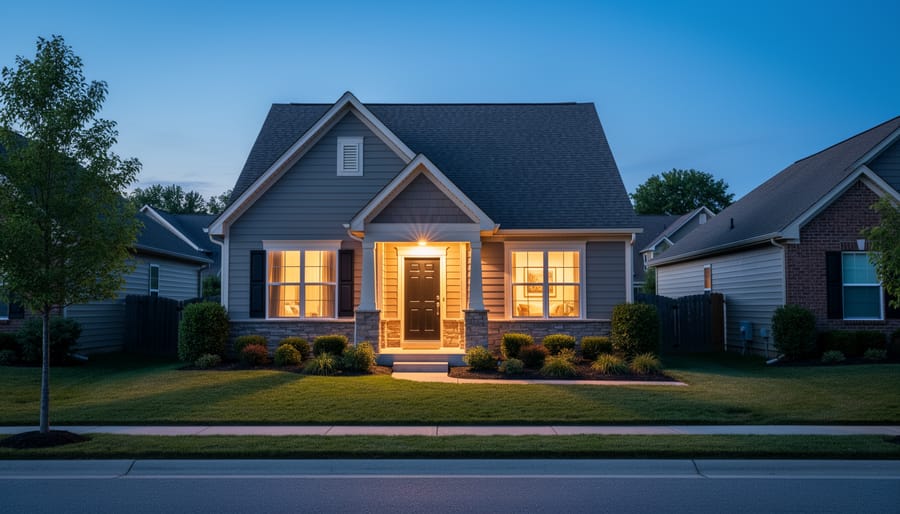
Two things set the monthly bill for a vacant home more than anything else: where it sits and how big it is. A cold-climate house has to be kept above freezing all winter, and a larger footprint means more air, more surface area and more energy to hold even a minimal temperature. Empty homes are not cheap to run. Pipes still need freeze protection, humidity has to be controlled to limit mold and wood damage, and basic security lighting should stay on so the property doesn’t look neglected.
The figures below are illustrative estimates meant as a planning baseline, not a quote. They assume the thermostat is held at a safe minimum of about 50 to 55°F, a mix of gas and electric service, and modest lighting use. They include heating, electricity for always-on loads and lighting, but not standing charges, which vary widely by provider.
| Climate | Small home (under 1,200 sq ft) | Medium home (1,200 to 2,500 sq ft) | Large home (over 2,500 sq ft) |
|---|---|---|---|
| Mild | $60 to $110 | $90 to $160 | $130 to $220 |
| Moderate | $90 to $160 | $140 to $250 | $200 to $340 |
| Cold | $140 to $250 | $220 to $380 | $320 to $550 |
Winter months sit at the high end of each range, while spring and fall often land near the bottom. Fuel type matters too. Electric resistance heat or oil can push a bill well above these numbers, while an efficient heat pump or a well-insulated shell can pull it below.
Lighting is usually the smaller slice of the total, but it is also one of the easiest to trim. Swapping old fixtures for efficient LEDs and using exterior options such as LED spotlights on motion sensors or timers keeps the property visible without lighting it all night.
Before you budget, pull the last twelve months of bills if you can get them. Your actual utility rates, the home’s insulation and the previous occupant’s usage will tell you far more than any average. Use the table to sense-check what you find, then adjust.
Where the Money Goes: Cost Breakdown for a Vacant Property
Most of the bill for a vacant house isn’t one big item. It’s several small ones that quietly add up, and some of them show up even when nobody has switched on a single light.
Start with heating. To keep pipes from freezing, the house still needs to stay above roughly 50°F (10°C) through cold months. That setpoint is the single largest variable cost in winter, and it climbs fast in older, poorly insulated homes. Then come the charges you can’t avoid: fixed service and connection fees that apply whether you use a kilowatt-hour or not. Here’s a quick view of the typical components:
- Heating to a freeze-protection setpoint during cold months
- Fixed service and connection charges that apply at zero usage
- Exterior security lighting that runs every night
- Interior timers and lamps used to make the home look occupied
- Standby loads such as smoke and security alarms, a sump pump and a router
- Metered usage minimums that some utilities bill regardless of consumption
Lighting is smaller than most people expect, but it’s easy to get wrong. A porch light left on all night with an older incandescent bulb costs noticeably more than an LED doing the same job. A little light layering combining a low-level exterior fixture, a motion-triggered floodlight and a timer-controlled interior lamp, gives you a believable occupied look without keeping everything lit.
The hidden items are the ones heirs forget. A sump pump protects the basement from flooding, smoke and security alarms need constant power, and a refrigerator left running full of nothing is pure waste. Empty it, clean it and switch it off unless there’s a reason to keep it on. Even a modem or smart device in standby draws a trickle around the clock. Each is small alone, but together they set a floor under the monthly bill that no amount of careful thermostat setting will remove.
Price Factors That Push the Bill Up or Down
Two houses of the same size can produce very different bills while sitting empty. The gap usually comes down to a handful of factors, and most of them are things you can check before the next billing cycle.
Insulation and air leakage matter most. A poorly insulated older home loses heat through the attic, walls, single-pane windows and gaps around doors, so the furnace cycles constantly just to hold the freezing line. A newer, well-sealed house can coast at the same setpoint for far less. That is why an inherited 1950s property often costs noticeably more to keep above freezing than a 2010s build of identical square footage.
The heating system itself is the next lever. An aging furnace or boiler may run at 60 to 70 percent efficiency, while a modern condensing unit or heat pump does much more with each unit of energy. Fuel type shifts the math too. Natural gas, electricity, heating oil and propane are priced differently, and a heat pump can hold a low minimum temperature more economically than resistance heating. Check your tariff structure as well, since time-of-use rates, standing charges and tiered pricing all affect what a quiet house actually costs.
Season and occupancy checks play a role. Winter months push heating demand up, while a mild stretch lets you lower the setpoint safely. Frequent visits mean lights, taps and thermostats get adjusted, which can add or save money depending on habits.
Lighting is smaller but easy to fix. Older incandescent bulbs draw several times the power of LEDs for the same light, and a few left on for security add up over months. Swapping to LEDs, or using solar LED fixtures outdoors, trims that load.
Because these factors stack, a quick audit of insulation, system age and bulbs is usually the fastest way to bring the monthly figure down.
Cutting Holding Costs: Practical Steps and Efficient Lighting Options
You can’t do much about the standing charges, but you can trim most of the rest. Work through these steps in order, since each one builds on the last:
- Pull the last 12 months of utility bills and note the per-unit rates, standing charges and seasonal swings. This is your baseline.
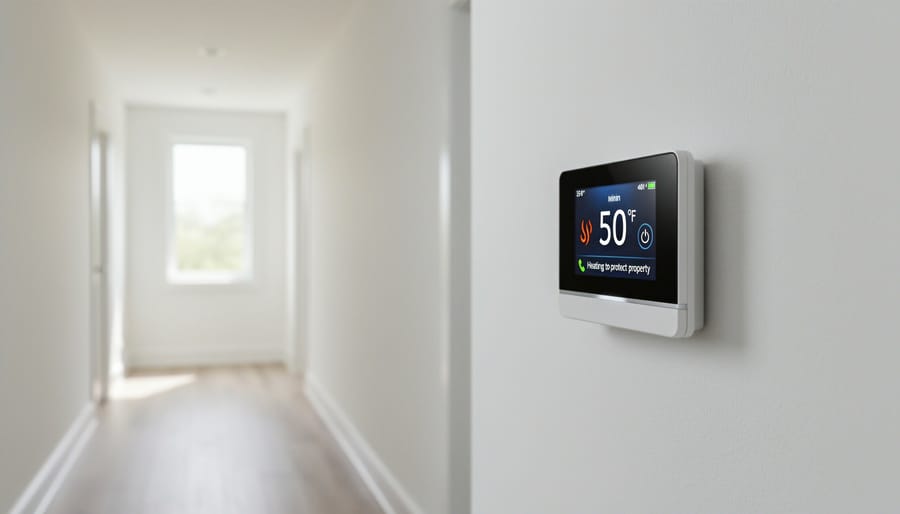
- Set a freeze-protection thermostat, typically around 50°F (10°C), so pipes stay safe without heating rooms nobody uses.
- Swap remaining incandescent or halogen bulbs for LED, then add timers or motion sensors so lights run only when needed.
- Check insulation in the loft and around windows and doors, and seal obvious gaps so the heat you pay for stays in.
- Consider solar LED fixtures for exterior security lighting, which takes that load off the meter entirely.
- Revisit the plan after 60 to 90 days and compare new bills against your baseline.
A smart thermostat is worth the modest outlay if you live far away. You can confirm the house is holding its minimum temperature and get an alert if it drops, without driving over. If the property will sit empty through a long winter, ask a heating technician about winterizing, such as draining the water lines, which can be an alternative to heating at all. Check that approach against your insurance terms first.
Lighting is where a small change pays off quickly. LEDs draw a fraction of the power of older bulbs, and motion-activated fixtures at doors and driveways deter visitors while staying dark most of the night.
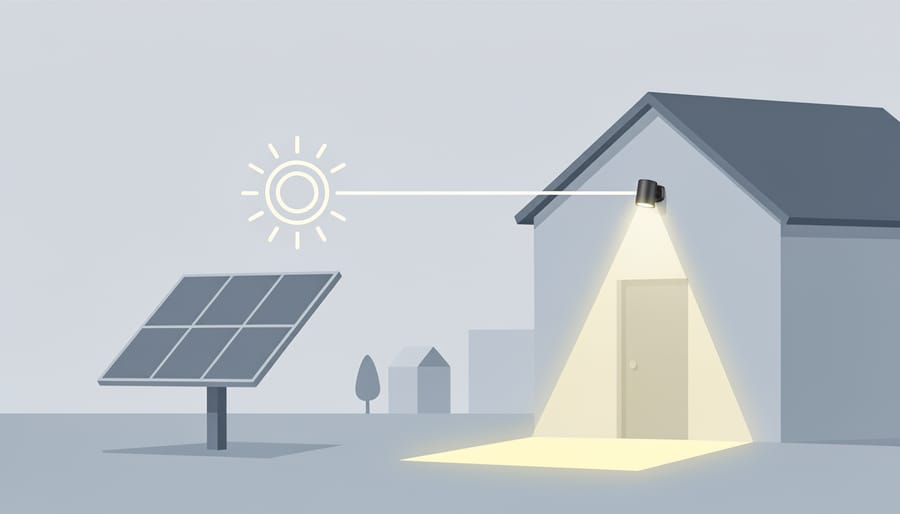
For outbuildings, gates and long driveways, solar outdoor lighting is worth a look. A solar panel charges a battery during the day, and an LED fixture draws on that stored energy after dark, so there is no wiring run and no recurring electricity charge for that light. If you want the detail, this explainer covers how solar LEDs work. Performance depends on sun exposure, so a shaded lot may need a different approach, and this guide on the optimal solar setup helps with placement. Grid-powered lighting remains a sound choice for interior and high-demand areas, so treat solar as a complement rather than a replacement.
DIY vs. Hiring a Professional: Managing a Vacant Inherited Home
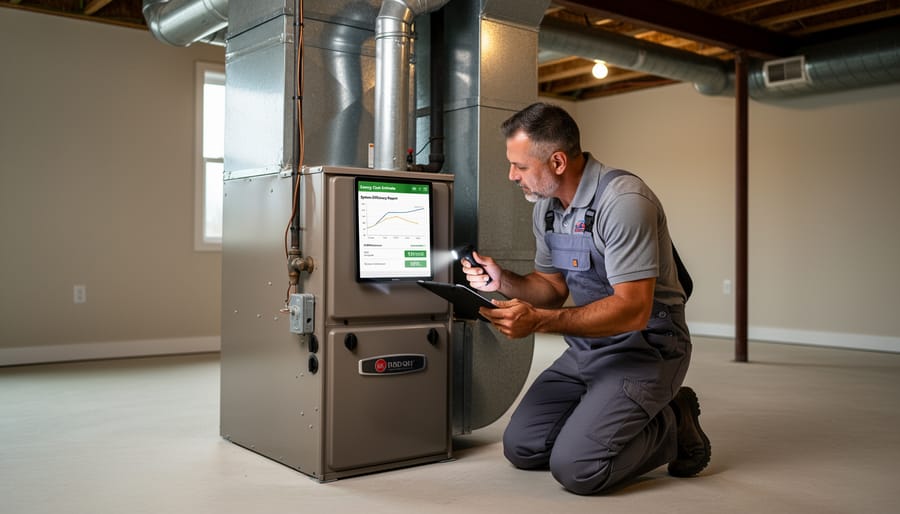
Managing a vacant inherited home yourself keeps cash in the estate, and for many heirs it’s the right call. Visiting, adjusting a thermostat, swapping a bulb or plugging in a timer are low-skill jobs that cost little beyond your time and fuel. Distance is the real variable. If the house is a 20-minute drive away, weekly checks are easy. If it’s a flight away, the travel can cost more than a professional would charge.
Professionals earn their fee where mistakes get expensive. An electrician should handle anything involving wiring, a new circuit or outdoor fixtures. An HVAC technician can service an aging boiler or furnace and confirm it will hold a safe minimum temperature through winter. House-watching services and property managers add scheduled inspections, photo reports and someone to call when a pipe bursts or an alarm trips.
Pros
- Doing it yourself keeps monthly costs low, since you pay only for travel and supplies.
- You see the property’s condition firsthand and can spot problems early.
- Hiring a pro removes the travel burden if you live far away.
- Professionals bring licensed expertise for heating, wiring and winterizing work.
Cons
- DIY checks can miss slow leaks or failing equipment if visits are infrequent.
- Travel time and fuel can quietly erode the savings.
- Property management and watch services add a recurring fee to estate expenses.
- Unvetted or unlicensed help can create liability if something goes wrong.
Insurance deserves attention whichever route you choose. Many homeowner policies restrict or end coverage after 30 to 60 days of vacancy, and some require documented inspections or minimum heat to stay valid. Read the policy or call the insurer before assuming you’re covered. Keeping a simple log of visits, or hiring a service that provides one, can help if you ever need to make a claim.
A practical middle path works well for many families. Handle routine checks and simple fixes yourself, and bring in a licensed professional for heating systems, electrical work and anything that would be costly to get wrong. If your visits are fewer than every couple of weeks, a paid inspection service usually pays for itself in peace of mind.
Common Questions About Utility Costs for Inherited Properties
Heating and utility decisions raise the same handful of questions again and again, so here are quick, general answers. For anything specific to your situation, check with an estate attorney or your utility provider.
Can you turn the heat off completely?
In mild climates, often yes. Where temperatures fall below freezing, most people keep a low minimum setting or winterize the plumbing first, since burst pipes cost far more than a modest heating bill.
Who pays utilities during probate?
Generally the estate covers them, and the executor pays from estate funds. Rules vary by location, so confirm the process with an estate attorney before paying out of pocket.
Should you cancel or transfer the accounts?
Usually it’s better to keep service active, or move the accounts into the estate’s name, rather than cancel outright. Disconnecting can leave the home without heat, power for sump pumps and alarms, and basic security lighting. Ask each provider what they need, such as a death certificate or letters of authority.
Is it cheaper to drain the pipes than to heat?
Winterizing can reduce ongoing heating costs, but it requires a professional to drain the system and add antifreeze to traps. It also needs to be done correctly and checked for insurance requirements. Weigh the one-time service fee against several months of minimum heating.
How often should the house be checked?
Many owners aim for a visit every one to two weeks, and more often during winter storms. Regular checks catch leaks, break-ins and heating failures early, and some insurers require them for vacant homes.
Whatever route you take, keep a simple record of the bills you pay and the settings you choose. It makes the estate’s accounting cleaner, and it gives you real numbers to refine your holding-cost estimate over the coming months.
Keeping an empty inherited house warm and lit is a cost you can get your arms around. Once you know what drives the bill, set a realistic baseline and put a few efficiency measures in place, the monthly figure becomes predictable instead of a worry.
Start with your own utility statements rather than averages, and revisit the plan every few months as seasons and decisions about the property change. Where it suits the site, efficient LED fixtures and solar lighting for exterior security can quietly trim a recurring expense. Small, steady improvements add up, and smarter technology makes them easier than ever.