
 By gail
Commercial lighting represents 17% of total electricity consumption in office buildings, translating to substantial operational costs that directly impact your bottom line. For facilities managers and business owners evaluating lighting upgrades, the financial equation has shifted dramatically: modern energy-efficient solutions now deliver payback periods of 2-3 years while reducing energy consumption by 50-75% compared to conventional systems.
The decision to upgrade extends beyond simple cost reduction. Today’s advanced lighting technologies offer intelligent controls, improved workplace productivity through better light quality, reduced maintenance burdens, and measurable progress toward corporate sustainability goals. LED systems have matured to provide superior performance at price points that make immediate implementation financially viable, while solar-powered options eliminate ongoing electricity costs entirely in suitable applications.
Understanding which technology fits your specific facility requires examining several factors: existing infrastructure, building usage patterns, available natural light, and long-term operational objectives. A 50,000 square foot warehouse operates under different parameters than a multi-story office complex, yet both can achieve significant returns through strategic lighting modernization.
This comprehensive guide breaks down the true costs of implementation, compares leading technologies including grid-tied LED and innovative solar LED solutions, and provides a practical framework for planning your upgrade. You’ll gain clarity on calculating ROI, navigating available incentives, and selecting systems that align with both your budget constraints and performance requirements. The path to lower operating costs and enhanced sustainability begins with understanding your options and their real-world applications.
The True Cost of Inefficient Commercial Lighting
Energy Consumption That Drains Your Budget
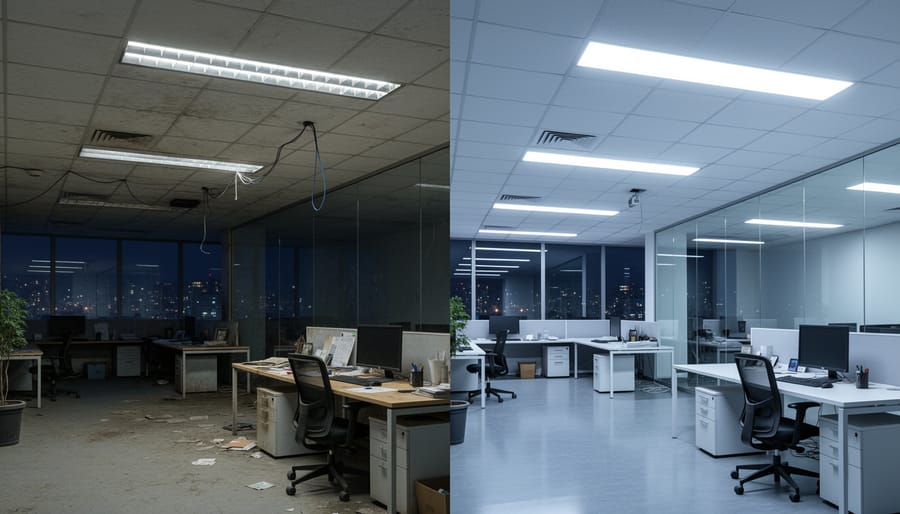
Conventional lighting systems represent one of the largest controllable expenses in commercial facilities, typically accounting for 20-40% of total electricity consumption. For a medium-sized office building of 50,000 square feet, traditional fluorescent and incandescent lighting can consume approximately 200,000-300,000 kWh annually, translating to $20,000-$45,000 in energy costs depending on local utility rates.
The financial impact varies significantly across building types. Retail spaces with extended operating hours often see lighting consume up to 50% of their energy budget, while warehouses and manufacturing facilities face substantial costs from high-bay lighting requirements. A typical 100,000-square-foot retail center might spend $60,000 annually just on lighting energy, with legacy systems driving unnecessarily high demand charges during peak hours.
Beyond direct energy costs, conventional lighting generates excessive heat, forcing HVAC systems to work harder and consuming additional energy. This cascading effect can add 10-20% to cooling expenses in climate-controlled environments. Additionally, frequent lamp replacements in traditional systems create ongoing maintenance costs, with labor expenses often exceeding the actual cost of replacement bulbs. For facilities managers juggling operational budgets, these combined expenses represent a significant opportunity for innovation through modern, sustainable lighting solutions that deliver measurable savings while supporting environmental responsibility.
Maintenance and Replacement Cycles
Traditional lighting systems impose significant ongoing maintenance burdens that often go underestimated in operational budgets. Conventional incandescent and fluorescent fixtures require replacement every 1,000 to 15,000 hours respectively, translating to frequent service intervals in commercial environments operating extended hours. For a facility running 12 hours daily, this means bulb replacements every few months to two years, depending on the technology deployed.
The labor costs associated with these replacement cycles extend beyond simple bulb purchases. Facilities managers must account for technician time, lift equipment rental for high-ceiling installations, and productivity disruptions during maintenance windows. In warehouses or retail spaces with hundreds of fixtures, these interventions can require full-day service calls and necessitate partial shutdowns of operational areas.
Energy-efficient LED alternatives dramatically reduce this maintenance burden, with operational lifespans exceeding 50,000 hours—potentially a decade or more of maintenance-free operation. This innovation represents a fundamental shift in facility management economics. The extended replacement cycles minimize labor requirements, reduce spare parts inventory, and eliminate frequent service disruptions that impact business operations.
For businesses evaluating lighting upgrades, calculating the true cost of ownership must include these maintenance factors alongside energy consumption. The reduced maintenance demands of modern efficient lighting systems free up facilities staff for value-added tasks while delivering measurable operational savings that compound over years of service.
Modern Energy-Efficient Lighting Technologies Explained
LED Technology: The Foundation of Efficient Illumination
Light Emitting Diode (LED) technology has revolutionized commercial lighting by delivering superior performance across every metric that matters to business operations. Unlike traditional incandescent or fluorescent systems, LEDs convert approximately 95% of their energy into light rather than heat, resulting in dramatically lower electricity consumption and reduced cooling costs for your facility.
The efficiency of LED systems is measured in lumens per watt, with modern commercial-grade LEDs producing 100-150 lumens per watt compared to just 15-20 for incandescent bulbs. This efficiency translates directly to your bottom line, typically reducing lighting energy costs by 50-75% immediately upon installation.
Lifespan represents another compelling advantage. Quality LED fixtures designed for commercial applications operate effectively for 50,000 to 100,000 hours—that’s 15 to 25 years under typical usage patterns. This extended operational life minimizes replacement costs, reduces maintenance disruptions, and decreases the total cost of ownership significantly compared to fluorescent tubes that require replacement every 2-3 years.
Modern LED technology also delivers superior light quality through high Color Rendering Index (CRI) ratings, typically above 80 for commercial applications. This means colors appear natural and true, creating better working environments and enhanced visual merchandising opportunities for retail spaces. Additionally, LEDs offer instant illumination without warm-up periods and maintain consistent light output throughout their lifespan, ensuring reliable performance for safety-critical applications and customer-facing areas alike.
Solar LED Systems: Independence from Grid Constraints
Solar-powered LED systems represent a forward-thinking alternative for commercial buildings seeking greater energy independence and operational flexibility. These innovative solutions combine photovoltaic technology with energy-efficient LED lighting to create self-sustaining illumination systems that operate independently of traditional electrical infrastructure.
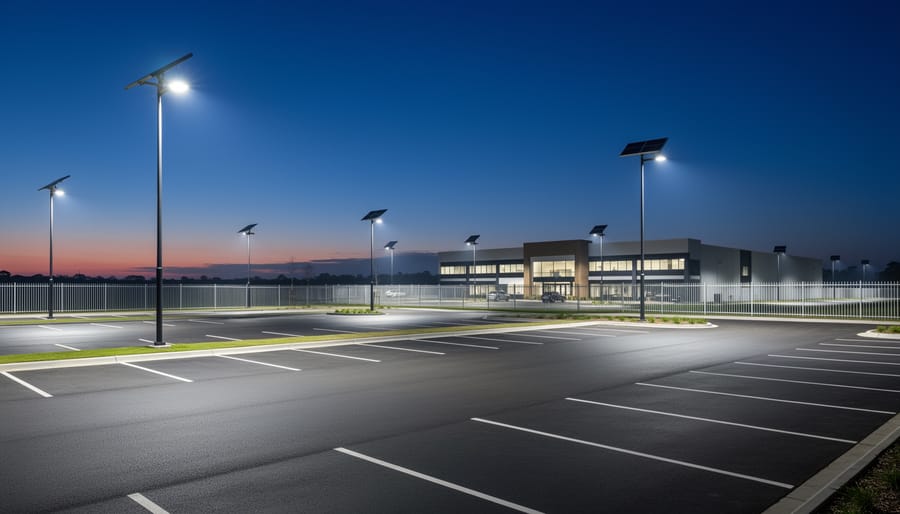
For facilities located in areas with limited grid access, unreliable power supply, or prohibitively expensive electrical connection costs, solar LED systems offer a practical pathway to quality lighting. Remote warehouses, agricultural facilities, parking structures, and outdoor commercial spaces particularly benefit from this technology. The system components typically include solar panels, battery storage, LED fixtures, and intelligent charge controllers that manage energy collection and distribution throughout day and night cycles.
The financial advantages extend beyond eliminating monthly electricity bills for designated lighting zones. Solar LED installations avoid the substantial costs associated with trenching and running electrical conduit to remote areas of a property. For expansion projects or temporary facilities, these systems provide immediate lighting capability without waiting for utility company schedules or bearing connection fees that can reach thousands of dollars per installation point.
Modern solar LED systems have evolved significantly from early iterations. Contemporary battery technology delivers reliable performance across multiple days of limited sunlight, while advanced LED fixtures maximize every watt of stored solar energy. Smart controls optimize charging patterns and automatically adjust light output based on ambient conditions and occupancy patterns, ensuring consistent illumination while extending system lifespan.
Installation timelines are considerably shorter than grid-tied alternatives, often requiring only days rather than weeks or months. This rapid deployment capability makes solar LED systems especially valuable for businesses facing immediate lighting needs or working within compressed project schedules. The modular nature of these systems also allows for scalable implementation, enabling facilities to start with critical areas and expand coverage as operational requirements or budgets allow.
Strategic Implementation for Commercial Buildings
Conducting a Lighting Audit
A comprehensive lighting audit serves as the foundation for any successful energy efficiency upgrade, helping you understand exactly where your facility stands and where improvements will deliver the greatest returns. Begin by documenting your current lighting inventory across all areas—recording fixture types, lamp wattages, operating hours, and illumination levels using a light meter to measure actual footcandles against recommended standards for each space type.
Next, analyze your energy consumption data by reviewing utility bills and calculating the total cost of lighting operations. Compare this against industry benchmarks to identify potential savings opportunities. Walk through your facility during different times of day to spot inefficiencies such as overlighting in storage areas, insufficient task lighting in workspaces, or systems running unnecessarily during unoccupied hours.
Prioritize upgrade opportunities based on three key factors: energy waste magnitude, operating hours, and ease of implementation. High-use areas like warehouses, parking lots, and production floors typically offer the quickest payback periods. Consider innovative solutions including solar-powered LED systems for outdoor applications, which eliminate ongoing electricity costs while demonstrating your commitment to sustainability.
Document your findings in a clear report that quantifies current costs, projects potential savings, and ranks recommended upgrades by return on investment. This data-driven approach ensures stakeholder buy-in and guides strategic decision-making for your lighting transformation.
Choosing the Right Solution for Your Facility
Selecting the optimal lighting solution requires careful evaluation of your facility’s unique characteristics. Start by analyzing your building layout—ceiling heights, natural light availability, and space usage directly influence which fixtures deliver the best performance. Open warehouses demand different solutions than multi-level office spaces or retail environments with specific display requirements.
Usage patterns matter significantly. Consider operational hours, occupancy fluctuations, and seasonal variations. Motion sensors and daylight harvesting controls maximize efficiency in sporadically-used areas, while continuous-use zones benefit from fixtures optimized for extended operation.
For facilities seeking energy independence or those in areas with unreliable grid infrastructure, grid-independent solar LED systems represent an innovative solution. These self-contained units eliminate electricity costs entirely while providing reliable illumination. Assess whether your roof space receives adequate sunlight and if your outdoor lighting needs—parking lots, pathways, perimeter security—align with solar technology’s strengths.
Budget considerations extend beyond initial investment. Calculate total lifecycle costs, including installation, maintenance, energy consumption, and available utility rebates. Modern LED systems with smart controls often deliver ROI within three years despite higher upfront costs.
Sustainability commitments increasingly influence purchasing decisions. Today’s advanced lighting solutions reduce carbon footprints while improving workplace quality, aligning operational efficiency with environmental responsibility. Consult with lighting specialists who can conduct detailed audits and recommend systems tailored to your facility’s specific requirements and long-term objectives.
When Solar-Powered Systems Make Strategic Sense
Solar-powered LED lighting systems deliver exceptional value in specific commercial applications where traditional grid connections present challenges or excessive costs. Remote facilities, including warehouses in industrial parks or manufacturing sites beyond municipal infrastructure, benefit significantly from solar installations that eliminate costly trenching and connection fees that can exceed $50,000 per site.
Parking lots and outdoor storage areas represent ideal candidates for solar lighting, offering independence from building electrical systems while providing reliable illumination across expansive spaces. These installations also enhance sustainability credentials, demonstrating visible commitment to renewable energy that resonates with environmentally conscious customers and stakeholders.
Facilities facing high demand charges or peak-hour electricity rates find solar systems particularly advantageous, as they reduce grid dependency during expensive billing periods. Agricultural operations, construction sites, and campuses with distributed buildings achieve both operational savings and energy resilience through strategic solar deployment.
Properties in regions with frequent grid outages gain critical operational continuity, as solar systems with battery backup maintain security and safety lighting independent of utility reliability. The technology particularly suits businesses pursuing net-zero goals or LEED certification, where renewable energy integration carries both financial and competitive advantages in today’s sustainability-focused marketplace.
Quantifiable Benefits Beyond Energy Savings
Environmental Impact and Sustainability Credentials
Modern energy-efficient lighting systems deliver substantial environmental benefits that align directly with corporate sustainability goals. LED technology reduces energy consumption by up to 75% compared to traditional lighting, translating to significant carbon footprint reduction. For a typical 50,000 square foot commercial facility, this can mean preventing approximately 50-70 tons of CO2 emissions annually—equivalent to removing 10-15 vehicles from the road.
Beyond energy savings, these systems contribute to sustainability credentials through extended operational lifespans that minimize waste. Quality LED fixtures last 50,000 to 100,000 hours, reducing the frequency of replacements and associated material disposal. This longevity, combined with recyclable components, supports circular economy principles increasingly valued in corporate environmental reporting.
Smart lighting innovations further enhance environmental performance through adaptive controls that eliminate unnecessary energy use. Occupancy sensors and daylight harvesting systems ensure lights operate only when and where needed, optimizing efficiency without compromising functionality. These measurable improvements provide concrete data for sustainability reports, helping organizations meet ESG commitments and green building certifications like LEED or BREEAM. For facilities managers seeking quantifiable environmental impact, energy-efficient lighting represents one of the most accessible and effective sustainability initiatives available.
Enhanced Safety and Productivity
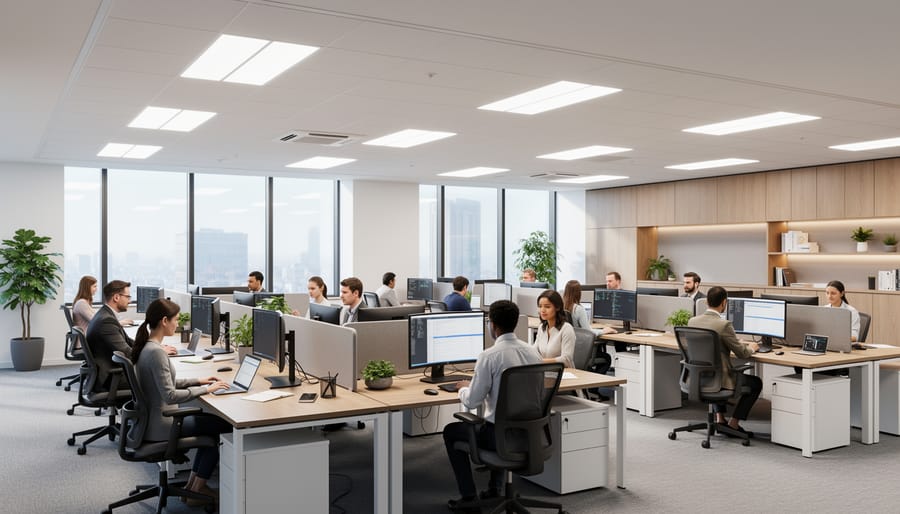
Quality lighting directly influences both workplace safety and operational performance in commercial environments. Modern energy-efficient lighting systems deliver superior illumination quality with minimal glare and consistent color rendering, enabling employees to work more accurately and comfortably throughout their shifts. Studies demonstrate that improved lighting conditions can reduce workplace accidents by up to 50% in industrial settings, while simultaneously decreasing eye strain and headaches among office workers.
Beyond safety metrics, properly designed lighting systems enhance employee productivity and morale. Natural-spectrum LED technology mimics daylight characteristics, supporting circadian rhythms and maintaining alertness during critical work hours. This innovation leads to measurable improvements in focus, reduced errors, and better overall job satisfaction. For retail and hospitality businesses, high-quality lighting creates inviting atmospheres that positively influence customer experience and purchasing behavior.
The commitment to sustainability through energy-efficient lighting extends these benefits while reducing operational costs. Unlike traditional fluorescent systems that deteriorate quickly and create flickering, modern LED solutions maintain consistent output for years, ensuring reliable performance without compromising safety or productivity standards. This combination of enhanced workplace conditions and long-term cost savings makes energy-efficient lighting a strategic investment in both human capital and business success.
Long-Term Asset Value
Energy-efficient lighting upgrades represent a strategic investment that directly enhances commercial property value and competitive positioning. Modern lighting systems have become a key differentiator in today’s real estate market, with prospective tenants and buyers increasingly prioritizing buildings that demonstrate operational efficiency and environmental responsibility.
Properties equipped with advanced lighting technology consistently command higher lease rates and improved occupancy levels. These installations signal forward-thinking management and reduced operating costs, making spaces more attractive to quality tenants who recognize the long-term financial benefits. Additionally, energy-efficient lighting infrastructure helps properties achieve higher ratings under green building certification programs, opening access to premium market segments.
Regulatory compliance presents another compelling consideration. Building codes and energy standards continue evolving toward stricter efficiency requirements. Proactive lighting upgrades position your property ahead of mandatory compliance deadlines, avoiding costly rushed retrofits while demonstrating commitment to sustainability leadership. This forward-looking approach protects asset value against regulatory obsolescence and positions your building as a preferred choice in an increasingly environmentally conscious marketplace.
Overcoming Common Implementation Challenges
Initial Investment Concerns
The upfront cost of energy-efficient lighting often creates hesitation among decision-makers, but a clear examination of return on investment reveals compelling financial advantages. Modern LED systems typically require 2-4 years to reach payback in most commercial applications, with some high-usage facilities achieving returns in 18-24 months. This calculation factors in energy savings of 50-75% compared to traditional lighting, plus reduced maintenance costs from extended lifespans exceeding 50,000 hours.
Real-world data from commercial installations demonstrates average annual savings of $1.50-$2.00 per square foot in medium-sized facilities. For a 20,000 square foot space, this translates to $30,000-$40,000 annually. These figures make the business case straightforward when balanced against initial investments.
Several financing mechanisms help address budget constraints without compromising cash flow. Energy service performance contracts allow upgrades with payments structured from realized savings, while utility rebate programs can offset 15-30% of equipment costs. Some municipalities offer green building incentives and tax credits that further reduce effective investment amounts. Federal tax deductions for energy-efficient commercial building improvements provide additional financial benefits. These combined approaches transform significant upfront expenditures into manageable, financially sound improvements that enhance both sustainability credentials and bottom-line performance.
Installation and Operational Transition
Successful implementation of energy-efficient lighting begins with comprehensive planning to minimize operational disruption. Professional installers typically conduct pre-installation assessments to map existing infrastructure, identify optimal installation schedules, and determine necessary electrical modifications. Many businesses opt for phased rollouts, allowing installations during off-peak hours or systematically upgrading one section at a time to maintain business continuity.
Modern LED and solar-powered systems feature plug-and-play compatibility with existing fixtures in many cases, significantly reducing installation timeframes and labor costs. Where infrastructure upgrades are necessary, experienced contractors can often complete work during evenings or weekends, ensuring minimal impact on daily operations.
The operational transition involves more than physical installation. Staff training on new lighting controls, automated systems, and maintenance protocols ensures optimal performance from day one. Smart lighting systems require initial programming to align with operational schedules and occupancy patterns, maximizing energy savings while maintaining appropriate illumination levels.
Post-installation commissioning verifies system performance, confirms energy-saving targets, and establishes baseline metrics for ongoing monitoring. This systematic approach transforms your facility’s lighting infrastructure while maintaining uninterrupted business operations, setting the foundation for long-term sustainability and cost reduction.
Investing in energy-efficient lighting represents more than an operational upgrade—it’s a strategic business decision that delivers measurable financial returns while advancing your organization’s sustainability objectives. The combination of reduced energy consumption, lower maintenance costs, and extended equipment lifespan creates a compelling case for modernization that strengthens your bottom line while minimizing environmental impact.
The commercial lighting landscape continues to evolve rapidly, with innovations in LED technology, smart controls, and integrated solar solutions opening new possibilities for efficiency and performance. These advancements enable businesses to achieve lighting quality that enhances workplace productivity and customer experience while significantly reducing operational expenses. The technology has matured to the point where implementation risks are minimal and benefits are well-documented across diverse commercial applications.
Now is the time to evaluate your current lighting infrastructure. Begin by conducting a comprehensive facility assessment to identify inefficiencies and opportunities for improvement. Engage with qualified lighting professionals who can provide detailed energy audits and customized recommendations based on your specific operational needs and budget parameters. Many businesses discover that phased implementation approaches make upgrades financially accessible while delivering immediate savings that fund subsequent improvements. Taking this first step positions your organization to capture the substantial advantages that energy-efficient lighting delivers for years to come.